Why Vehicle Owners and Lienholders Should Take a Second Look at RSLA Claims
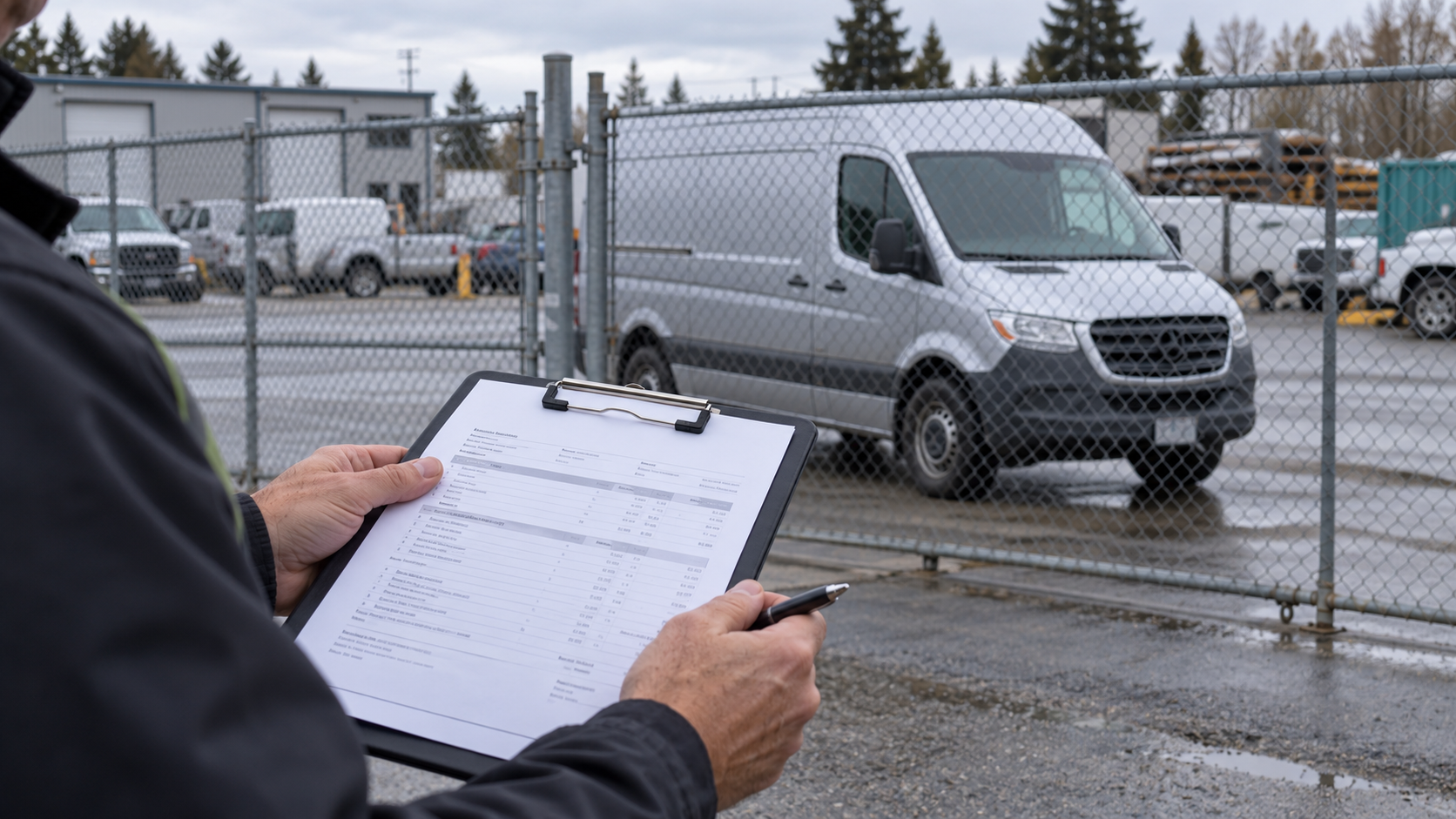
A vehicle is being held, storage charges are accumulating and the invoice includes towing, repairs or additional fees. For a business owner, fleet operator or secured lender, paying the entire bill may appear to be the only practical way forward. Before making that decision, the claim deserves a careful review.
Ontario’s Repair and Storage Liens Act, commonly called the RSLA, provides rights and procedures that depend on the circumstances of the repair, storage and lien. An invoice alone does not answer every question about the amount owed or the options for obtaining release.
Precision Paralegal Services represents owners and PPSA lienholders in RSLA disputes. We review the documents, the claimed charges and the available procedures with the client’s asset and business needs in mind.
Review the invoice line by line
Ask for an itemized account and the records supporting it. Establish when the vehicle arrived, what work was requested, who authorized it and how the charges were calculated.
Useful questions include:
- Do the repair charges match the work authorized and performed?
- Are the towing and storage dates supported by records?
- Which rates were disclosed or agreed to, and when?
- Are additional fees explained and supported?
- What communications took place about collection or release of the vehicle?
Disagreement with the total does not, by itself, establish that a charge is invalid. A documented review identifies the specific issues that may support negotiation or a legal challenge. Our article on assets held under the RSLA discusses why early assessment matters.
Check the notices and the timeline
Notice requirements can affect a storage claim. The relevant questions include who was entitled to notice, when notice was required, what was sent and how it was delivered. The consequences of a missing or late notice depend on the applicable provisions and facts; do not assume that every defect eliminates the entire bill.
Gather notices and envelopes, emails, text messages, invoices, vehicle identification details and a dated record of conversations. For a lender, include the security agreement and relevant PPSA registration information. These records help your representative assess the claim and your interest in the asset.
Consider release options separately from the disputed amount
Getting a vehicle released and resolving the final amount payable can involve different steps. The RSLA includes procedures involving payment into court and release, with requirements that need to be assessed for the particular dispute.
Our guide to section 24 applications introduces this process. Do not assume that the ordinary Small Claims monetary limit determines the correct procedure or forum for every RSLA matter. The relief sought, the parties’ positions and the statutory route all matter.
Where towing and storage services are involved, other requirements may also be relevant. Read about how TSSEA and the RSLA intersect for further context.
Act while the records and options are available
Delay can increase the commercial impact of a dispute, particularly when a working vehicle is unavailable or further storage is claimed. Send the documentation for review promptly, especially if you receive a notice concerning a proposed sale or another time-sensitive step.
For a fleet or lending portfolio, a consistent escalation process helps: identify the vehicle, preserve the paperwork, record key dates and involve the person authorized to make a recovery decision.
A review may support a negotiated resolution, a procedural step to seek release or a challenge to particular charges. The outcome depends on the evidence and applicable law. Book a consultation to discuss an RSLA claim affecting your business or secured asset.

About Michelle Haigh
President, Senior Licensed Paralegal
Michelle has led Precision Paralegal Services since 1996. Her experience spans Small Claims Court, professional leadership and mentoring paralegals. She served 12 years as a Law Society of Ontario Paralegal Bencher and received the William J. Simpson Distinguished Paralegal Award in 2020.
View Michelle’s profile →Get Expert Advice
Have a matter that requires this level of precision?
Our team applies the same strategic rigour to every file. Book a consultation to discuss your situation.