Why Some Creditors Are Choosing Small Claims Over Superior Court

A larger judgment is not always the same as a better financial outcome. For a business collecting unpaid invoices or a lender reviewing a defaulted account, the useful question is how much can realistically be recovered after the cost of pursuing it.
For creditors with accounts in Ontario, Alberta and British Columbia, that assessment starts with the province. The monetary limits and court names differ, so the same account balance can lead to different options.
Compare the limits in Ontario, Alberta and BC
The following limits apply to eligible claims as of October 5, 2026. The amount alone does not establish jurisdiction; the type of claim and relief sought also matter.
| Province | Court for eligible smaller civil claims | Monetary limit | Higher court for larger civil claims |
|---|---|---|---|
| Ontario | Small Claims Court | $50,000, excluding interest and costs | Superior Court of Justice |
| Alberta | Court of Justice, Civil Division | $100,000 | Court of King’s Bench |
| British Columbia | Provincial Court, Small Claims | $35,000, excluding interest and permitted expenses | Supreme Court of British Columbia |
Ontario’s limit increased to $50,000 on October 1, 2025. See the province’s Small Claims Court guide. Alberta’s court explains its $100,000 limit and the option to abandon an excess amount in Before You Sue.
In BC, most small claims for $5,000 or less go through the Civil Resolution Tribunal (CRT), subject to exceptions. The BC government’s Small Claims guide explains the $35,000 court limit and the relationship with the CRT.
For example, an otherwise eligible $75,000 commercial debt falls within Alberta’s Court of Justice limit, but exceeds the Ontario and BC small claims limits. That does not mean a creditor can simply choose Alberta: the court must have jurisdiction over the dispute, and the proper place to file depends on the facts and applicable rules.
Start with the claim and the evidence
The balance owing matters, but so do the remedy sought, the parties and the legal issues. An unpaid commercial invoice supported by a signed agreement, delivery records and a clear account ledger presents a different assessment from a complex dispute involving several parties or relief beyond a money judgment.
We assist corporate clients with eligible claims in Ontario Small Claims Court, the Alberta Court of Justice Civil Division and BC Small Claims Court. The first step is to confirm that the proposed claim fits the court’s jurisdiction, then assess its evidence and recovery prospects.
Compare expected recovery after costs
Before choosing a route, compare the likely financial outcome of each available option. Include court fees, service, representation, staff time and possible enforcement expenses. A judgment still needs to be collected, so the debtor’s financial position belongs in the assessment from the outset.
Consider settlement as well as trial. A realistic payment arrangement may have value that a larger, uncertain recovery does not. Conversely, a well-supported substantial claim against a debtor with identifiable assets may justify the additional expense of proceedings with counsel in Ontario’s Superior Court, Alberta’s Court of King’s Bench or BC’s Supreme Court.
Our guide to collections versus legal action outlines the account information that helps make this decision.
Reducing a claim is a deliberate business decision
For a claim above the applicable province’s small claims or civil division limit, a creditor may consider abandoning the excess to pursue a lower amount. That requires careful advice: giving up part of a claim has consequences, and the unpaid remainder should not be treated as an amount that can simply be pursued in a second lawsuit.
The comparison should make the proposed reduction explicit. How much would the creditor give up? What costs might be avoided? Does the debtor have a realistic means of paying either amount? What uncertainty remains?
Reducing a claim is not automatically worthwhile just because it permits a Small Claims proceeding. Watch Reducing a Claim Can Be the Smarter Move for an introduction to the commercial considerations.
Budget for the whole file
Small Claims Court does not guarantee a quick payment. Service difficulties, a defence, scheduling and enforcement can affect timing and expense. Compare realistic scenarios rather than assuming that one court will always produce a faster result.
For a portfolio of receivables, consistent intake criteria help the credit team allocate its budget. Record the province, evidence available, disputed issues, debtor information, deadlines and proposed recovery steps. For an overview of the differences, watch Small Claims Court Limits in Ontario, Alberta and BC. Our rates and block-fee approach provide a starting point for discussing scope and cost.
Choose the route that supports the recovery objective
The strongest strategy connects the legal options to the creditor’s commercial objective. Sometimes that means pursuing the full claim with counsel. Sometimes an eligible Small Claims proceeding, settlement or further collection work is proportionate.
Precision Paralegal Services helps businesses and lenders assess eligible debt recovery files and identify practical next steps. Book a consultation to review an account or discuss a consistent approach to your corporate receivables.
Explore our corporate debt recovery services for businesses and lenders in Ontario, Alberta and British Columbia.
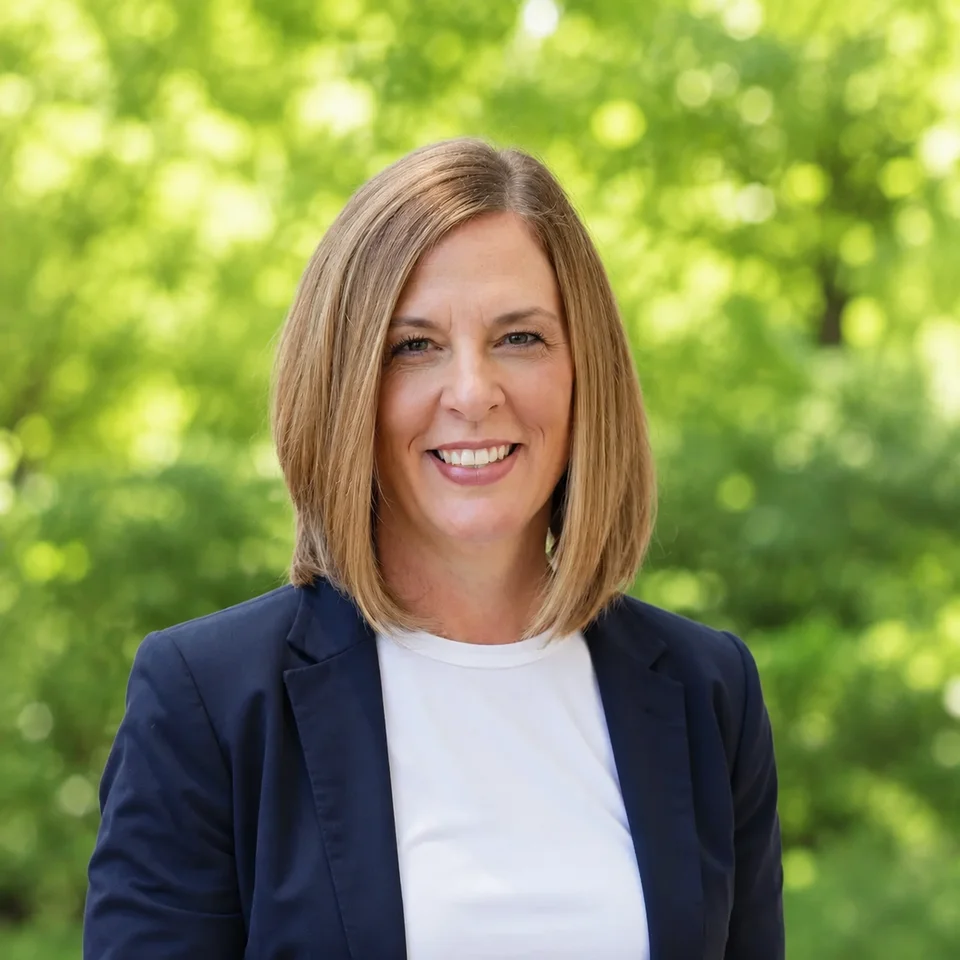
About Michelle Haigh
President, Senior Licensed Paralegal
Michelle has led Precision Paralegal Services since 1996. Her experience spans Small Claims Court, professional leadership and mentoring paralegals. She served 12 years as a Law Society of Ontario Paralegal Bencher and received the William J. Simpson Distinguished Paralegal Award in 2020.
View Michelle’s profile →Get Expert Advice
Have a matter that requires this level of precision?
Our team applies the same strategic rigour to every file. Book a consultation to discuss your situation.