Exciting News for Insurers: What the New $50K Small Claims Limit Means for Subrogation

For an insurance recovery team, the question is rarely just whether someone else caused the loss. The file also has to justify the cost of pursuing it. A well-supported claim can sit on the shelf when the expected recovery and litigation budget do not align.
Ontario’s Small Claims Court limit increased from $35,000 to $50,000 on October 1, 2025. With the higher limit now in place, insurers have a reason to reassess eligible subrogation files that previously sat above the Small Claims ceiling.
The change expands the range of claims the court can hear. It does not remove the need to establish liability, prove the loss and assess whether a judgment can realistically be collected.
What the $50,000 limit covers
Ontario’s civil claims guide explains that Small Claims Court can hear eligible claims for money or the return of personal property valued at $50,000 or less, excluding interest and costs. The remedy sought and subject matter must also fall within its jurisdiction.
For example, a properly supported $45,000 property-damage recovery claim may now fit within the monetary limit without abandoning part of the claim. Whether it should proceed still depends on the facts, applicable law and commercial assessment.
This is an Ontario change. Teams handling a national portfolio should check the province for each file rather than applying the $50,000 limit everywhere. Our video on Small Claims Court limits in Ontario, Alberta and BC introduces those differences.
Subrogation still starts with the underlying rights
In general terms, subrogation allows an insurer to pursue recovery using rights available through its insured after an insured loss, subject to the applicable policy and law. Payment of an insurance claim does not, on its own, establish that a third party owes that amount.
Before referring a file, identify the potential defendant, the alleged cause of the damage and the legal basis for recovery. Review contracts, releases, policy issues and any restrictions that could affect the claim. Do not assume that every property, tenancy or motor vehicle dispute belongs in Small Claims Court merely because the amount is below the limit.
Our insurance subrogation practice focuses on helping corporate clients assess eligible recovery matters and prepare the evidence they require.
Preserve the evidence that explains the loss
A useful referral package connects the incident to the amount sought. Depending on the file, include:
- The incident report and a clear chronology.
- Photographs, inspection findings and available witness information.
- Relevant contracts, maintenance records or work orders.
- Repair estimates, invoices and payment records supporting the loss.
- Expert reports or preserved physical evidence where needed.
- The policy, payment and recovery documents needed to assess the insurer’s rights.
Evidence can disappear during cleanup, repairs or replacement. Identify preservation needs early and obtain advice about any necessary inspection or notice before material is discarded. A higher court limit cannot replace missing evidence.
Reassess older files without overlooking deadlines
A review of files previously set aside for cost reasons can be worthwhile, particularly where the amount fell between the old and new limits. Start with deadlines and the current status of each matter.
The jurisdictional increase does not restart limitation periods or revive a claim that is already out of time. Review the applicable deadline, any existing proceedings, settlement or release, and whether the evidence remains available.
Nor does an existing Superior Court action automatically transfer. Ontario’s transfer guidance describes routes involving consent or a motion. Obtain advice on the actual steps and costs before assuming a transfer is advantageous.
Compare the expected recovery with the next step’s cost
Assess liability, the disputed amount, defendant collectability and the work required. A documented claim against a viable defendant presents a different decision from a technically strong claim with no realistic payment source.
Discuss fees and scope at the outset and revisit settlement as the file develops. Small Claims Court can be a proportionate forum, but it does not guarantee a faster payment or full reimbursement of legal expenses. Our article on choosing Small Claims over a higher court explores that cost-and-recovery comparison.
For claims leaders, the practical opportunity is to apply consistent referral criteria across the portfolio: correct forum, viable legal basis, preserved evidence, current deadlines and a realistic recovery budget.
Book a consultation to discuss an Ontario subrogation file or a review of claims previously paused because of recovery costs.
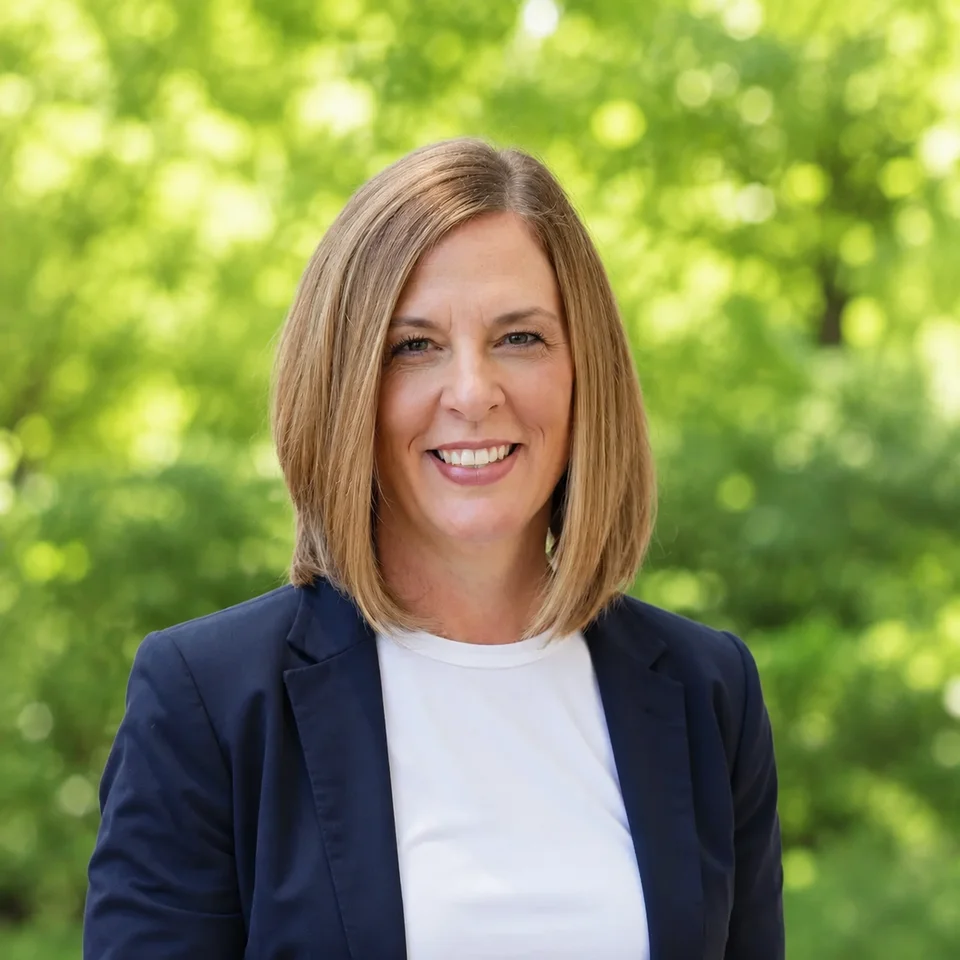
About Michelle Haigh
President, Senior Licensed Paralegal
Michelle has led Precision Paralegal Services since 1996. Her experience spans Small Claims Court, professional leadership and mentoring paralegals. She served 12 years as a Law Society of Ontario Paralegal Bencher and received the William J. Simpson Distinguished Paralegal Award in 2020.
View Michelle’s profile →Get Expert Advice
Have a matter that requires this level of precision?
Our team applies the same strategic rigour to every file. Book a consultation to discuss your situation.