Navigating the RSLA in the Trucking Industry: When ‘Necessary Repairs’ Turn into a Hostage Situation
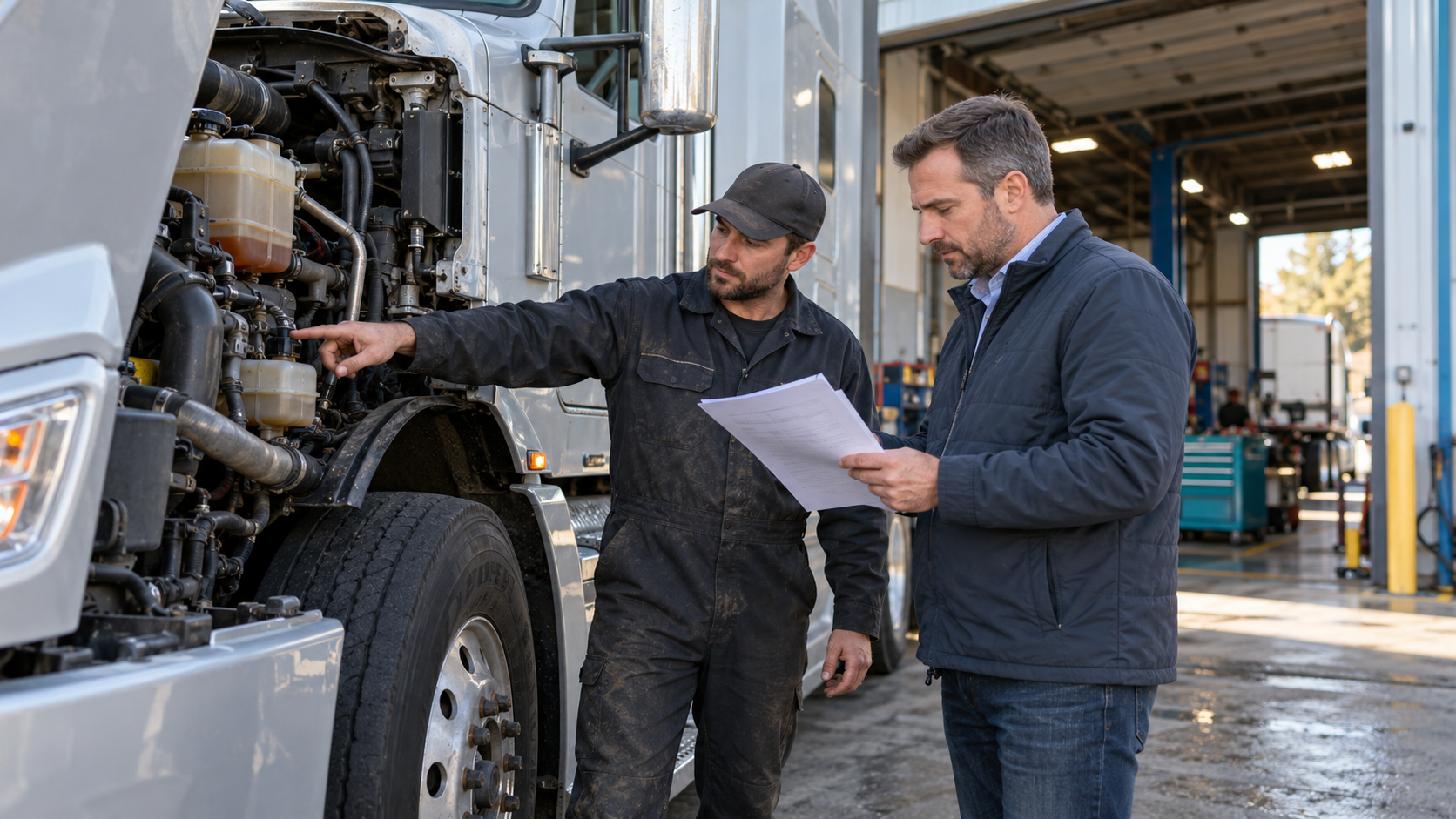
In trucking, downtime costs money. A vehicle sitting at a repair shop is not making deliveries, and the pressure to get it back can make a disputed invoice feel like an urgent business decision rather than a legal issue.
We have seen oil changes on transport trucks billed at three times the market rate, routine fixes priced like luxury upgrades, and repair accounts that require much more explanation than the invoice provides. When the shop refuses release until the bill is paid, the truck’s earning capacity becomes part of the pressure.
That does not mean every expensive repair is unjustified. Heavy-truck work can be complex, and a repairer may have valid lien rights. The practical task is to identify the specific disputed charges, assess the lien and consider how to seek release without treating the invoice as the final word.
Start with the Ontario framework
This article concerns Ontario’s Repair and Storage Liens Act, or RSLA. A truck operating across provincial borders does not make Ontario’s procedure available for every repair dispute. The location, work, parties and applicable law need assessment.
For an Ontario file, establish who requested the work, what was authorized, what was performed and why the shop says it is entitled to retain the vehicle. Include the owner’s documents and, where a secured lender is involved, the security agreement and relevant PPSA registration information.
Our guide to reviewing RSLA claims sets out the initial records owners and lienholders should gather.
Consider release separately from the final bill
Section 24 provides a process involving payment into court or security and certificates to obtain release where its requirements are met. It is not simply a matter of paying the undisputed portion of an invoice. Funding, service, any objection and the next procedural steps need to be planned for the particular file.
When the article is released under the statutory process, the lien becomes a charge against the money or security. Release does not decide the final amount payable. The charges can still be contested, and the remaining proceedings and deadlines need attention.
For a fleet, that distinction matters: returning the truck to service and resolving the repair account can be separate objectives. Our introduction to section 24 applications provides background; obtain advice on the current requirements and appropriate court before proceeding. A release date or reduction cannot be promised in advance.
Inspect promptly, before the evidence changes
The next step in our approach is an immediate post-release inspection by an independent professional with relevant heavy-truck expertise, where practical and safe. Avoid putting the truck straight back into service without considering what evidence may be lost through use, further repair or disposal of parts.
Ask the inspector to document the condition of the vehicle and explain the basis for any conclusions about the work and charges. Useful material may include photographs, diagnostic results, measurements, part details, labour estimates and comparable pricing.
Experience with the particular truck and repair matters. A qualification alone does not answer every question; the professional must be able to explain their reasoning. If expert evidence is required, the court decides whether the witness is qualified and whether the evidence is admissible. Plan for the applicable report and disclosure requirements.
Challenge the detail, not just the total
An effective review connects each disputed amount to evidence:
- Labour: What work was performed, how much time was charged, and what explains that time?
- Parts: Which parts were supplied, at what price, and do the records support installation?
- Diagnostics: Are testing and repair charges distinct, supported and consistent with the work?
- Authorization: How does the final work compare with the instructions and any approved changes?
- Storage and extras: What dates, rates, notices and agreements support the additional amounts?
Market comparisons help, but they should account for the actual vehicle, work, timing and circumstances. A lower quote for a different job does not settle the dispute.
Where towing or vehicle storage is also involved, additional regulatory requirements may need review. Do not assume every rule for towing or consumer repairs applies to a commercial trucking repair account.
Get the truck and the file moving
Send the repair order, estimates, itemized invoices, messages, notices and vehicle details for review promptly. Include the business impact of the downtime and identify who can authorize funding or settlement instructions. If a sale or another time-sensitive step is threatened, flag it immediately.
The objective is practical: assess release options, preserve the evidence and resolve the amount on a supported basis. Precision Paralegal Services assists owners and secured lenders with eligible Ontario RSLA disputes. Book a consultation to discuss a truck being held over a disputed repair bill.

About Michelle Haigh
President, Senior Licensed Paralegal
Michelle has led Precision Paralegal Services since 1996. Her experience spans Small Claims Court, professional leadership and mentoring paralegals. She served 12 years as a Law Society of Ontario Paralegal Bencher and received the William J. Simpson Distinguished Paralegal Award in 2020.
View Michelle’s profile →Get Expert Advice
Have a matter that requires this level of precision?
Our team applies the same strategic rigour to every file. Book a consultation to discuss your situation.