Feeling Broke Isn’t the Same as Being Broke… Especially When You’re Driving a Brand-New Mercedes

“There’s no money to pay.”
We have heard that at more than one examination of a judgment debtor. Years ago, one particular file made the point memorably: the debtor reported about $7,500 in monthly income, drove a brand-new Mercedes and had roughly $2,000 left after the expenses in the budget were accounted for.
The message was that there was nothing available. The figures gave us a reason to ask more questions.
For lenders and insurers holding unpaid judgments in Ontario, Alberta and British Columbia, that is the useful lesson. A statement about financial pressure is a starting point for assessment. It is not a substitute for understanding the records. The principle travels across provincial borders; the procedure for putting it into practice depends on the jurisdiction.
The Mercedes gets your attention. The evidence does the work.
A new car makes a good story, but it does not prove that its driver has money available to satisfy a judgment. The vehicle might be financed, leased or owned by someone else. Even an owned asset may have little realizable equity or be subject to exemptions and other claims.
On this file, the important information was the financial picture as a whole: income, expenses and the apparent capacity to make payments. The car was the memorable detail, not a shortcut around that assessment.
Genuine financial hardship also needs to be taken seriously. The task is to distinguish what can be supported by the evidence from what still needs explanation.
Ask the questions through the proper process
Where the available information is insufficient, use the financial disclosure or hearing process available in the province where enforcement is being pursued. Each province has its own requirements:
- Ontario: An examination hearing in Small Claims Court can help a judgment creditor obtain information about the debtor’s financial circumstances. The court’s enforcement guidance explains the process.
- Alberta: Financial disclosure is also part of assessing recovery. The Court of King’s Bench publishes civil enforcement forms, including financial statements for individual and corporate debtors. Enforcement of an Alberta Court of Justice judgment proceeds through the Court of King’s Bench; the Court of Justice guidance explains this distinction.
- British Columbia: In Provincial Court Small Claims matters, a payment hearing allows the court to assess the debtor’s ability to pay and consider a payment schedule. The debtor must bring financial records. The court’s enforcement guidance also explains how requesting a payment hearing affects other collection steps.
Depending on the applicable procedure and the file, relevant records may include income documents, bank statements, information about assets and liabilities, and supporting details for the expenses claimed. Figures should be considered together, including whether they are current and whether important obligations are missing.
Our collections versus legal action guide discusses why recovery prospects deserve attention before a claim begins. That review remains important after judgment, when the question becomes which available step is worth taking.
Turn the information into a proportionate recovery decision
Evidence of an ability to pay can support a more informed discussion about a lump-sum settlement or a realistic payment arrangement. Where appropriate, further enforcement may warrant consideration.
Neither route is automatic. Garnishment, seizure and other enforcement measures have requirements, exemptions and costs that differ across Ontario, Alberta and BC. An apparent monthly surplus is not an assurance that the same amount can be garnished or ordered as a payment. Before choosing a step, check the applicable provincial rules, ownership and equity in any assets, and competing claims.
For the creditor, compare the likely recovery with the cost and uncertainty of the next step. A workable arrangement may be more valuable than repeated expense with little prospect of collection. Our story about three jobs and three garnishments shows how persistence and enforcement costs can become part of the same decision.
Keep the province in view
Precision Paralegal Services assists corporate clients with eligible matters in Ontario, Alberta and British Columbia. The practical questions are the same: what does the debtor own, what income is available, and what recovery is realistic after costs? The answers must be applied through the appropriate local process.
For provincial court information, see our Small Claims Court practice, Alberta Small Claims Court services and British Columbia Small Claims Court services. The court that hears the claim and the process used to enforce the resulting judgment are separate considerations.
Our court-choice article compares the provincial limits and explains why jurisdiction is more than a dollar amount.
Look beyond the opening answer
The Mercedes story has stayed with us because the contrast was striking. Its practical value is simpler: verify the financial information before deciding that an unpaid judgment has no recovery prospect, and before spending more to pursue it.
If your organization has a judgment and incomplete information about the debtor’s means, book a consultation to discuss the records available and the next practical step. Our corporate debt recovery practice focuses on decisions grounded in evidence, cost and realistic recovery prospects.
Explore our corporate debt recovery services for businesses and lenders in Ontario, Alberta and British Columbia.
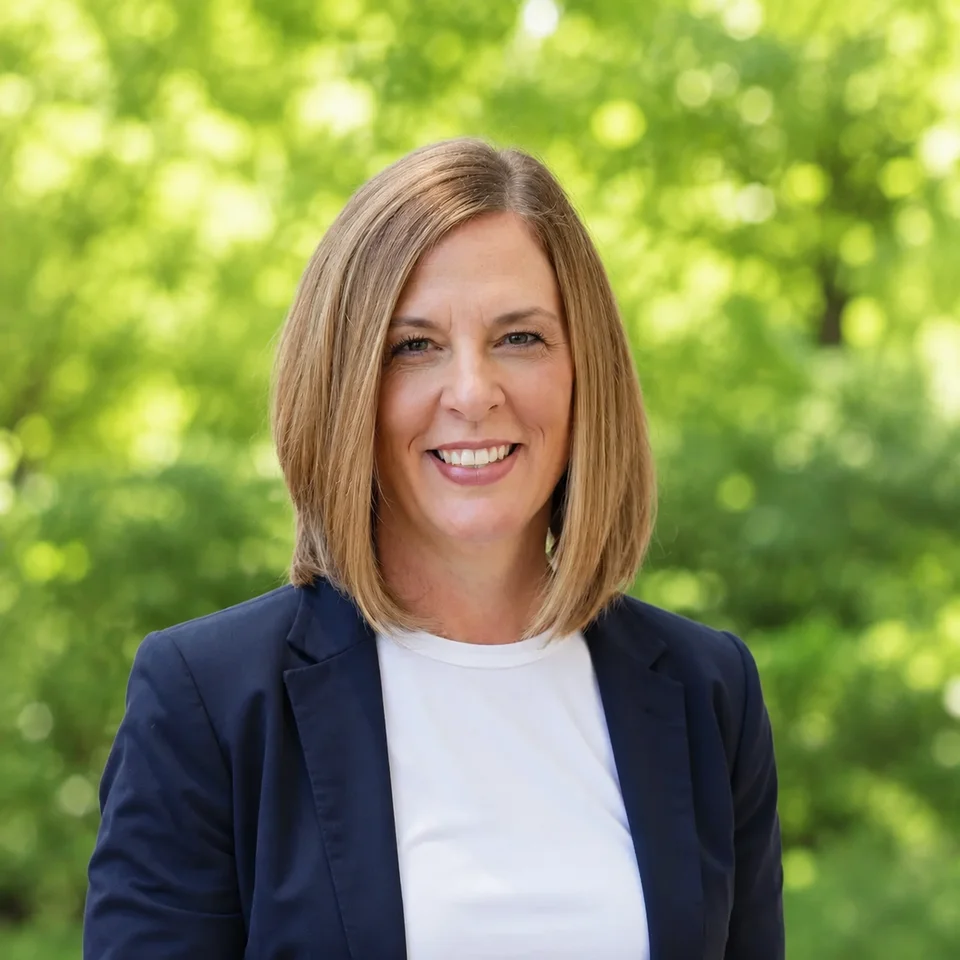
About Michelle Haigh
President, Senior Licensed Paralegal
Michelle has led Precision Paralegal Services since 1996. Her experience spans Small Claims Court, professional leadership and mentoring paralegals. She served 12 years as a Law Society of Ontario Paralegal Bencher and received the William J. Simpson Distinguished Paralegal Award in 2020.
View Michelle’s profile →Get Expert Advice
Have a matter that requires this level of precision?
Our team applies the same strategic rigour to every file. Book a consultation to discuss your situation.